

Comprehensive Dry Eye Solutions at Pinehouse Eyecare
Constant visual discomfort makes it hard to focus on anything else throughout your day. Dryness shouldn’t dictate your routine or diminish your quality of life.
At Pinehouse Eyecare, our optometry team offers a variety of targeted approaches to help soothe irritation. We collaborate directly with you to craft a customized management plan suited to your lifestyle. Although dry eye remains an ongoing condition, we focus on identifying practical treatments that provide sustained comfort and safeguard your ocular surface.
Book your dry eye assessment with us today.
Understanding Ocular Surface Disease
Dry eye syndrome, also called ocular surface disease, develops when tear volume drops or when the tears lack the proper balance to keep the eyes adequately lubricated.
Smooth, clear vision depends on a balanced tear film composed of mucin (mucus), aqueous water, and lipids (oils). When one of these critical layers breaks down, tears evaporate rapidly or fail to coat the cornea uniformly, causing chronic inflammation, redness, and persistent surface friction.
Triggers and Contributing Factors
A variety of daily habits, health conditions, prescription side effects, and external environments can disrupt your tear quality.
Common factors that lead to dry eye include:
- Meibomian gland dysfunction (MGD): Clogged or inflamed oil-producing glands along the eyelid margins cannot produce sufficient oils to stabilize the tear film.
- Environmental conditions: Exposure to Saskatchewan’s dry air, low indoor humidity, cold winds, or continuous heating and air conditioning units.
- Extended screen time: Decreased blink rates while working on computers, smartphones, or handheld tablets.
- Natural aging: Age-related shifts in hormone levels or decline in tear production.
- Blepharitis: Bacterial buildup and crusting along the lash lines that induce chronic eyelid inflammation.
Signs You May Have Dry Eye
While a dry or stinging sensation is typical, ocular surface disease manifests in several different ways across your daily routine, including:
- Persistent dryness or stinging
- A gritty, sandy sensation as if foreign debris is trapped under the eyelid
- Unexpected episodes of excessive tearing or watery eyes
- Burning, itching, or general soreness
- Surface redness and visible irritation
- Heightened sensitivity to bright indoor lighting or sunlight
- Mucus discharge or stringy residue around the eye margins
- Visual glare, halos around lights, or fluctuating clarity
- Discomfort or early fatigue while wearing contact lenses
Targeted Dry Eye Therapies and Management Options
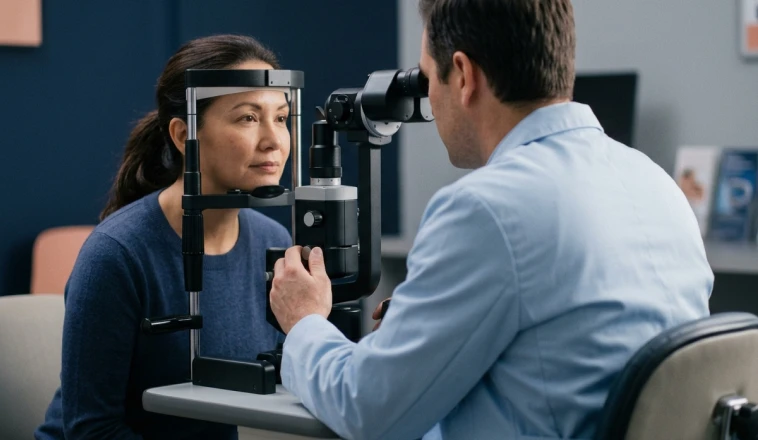
Since dry eye can originate from multiple underlying issues, effective relief begins with a comprehensive diagnostic evaluation. Our optometrists assess your tear volume, gland function, and eyelid health to design a structured care plan.
It is important to receive an official evaluation and diagnosis, as there are many possible causes of dry eye. Your condition may be caused by a low tear volume or poor-quality tears, which require different approaches. Our optometrists can provide this necessary guidance.
No bigger than a grain of rice, these are inserted right into your tear ducts. They inhibit drainage, meaning that the tears your eyes have produced are kept on the surface of your eye for much longer, allowing more hydration and lubrication before they evaporate.
Punctal plugs can be semi-permanent or temporary. The temporary plugs dissolve after a period of time, while the semi-permanent ones last longer. If you have success with temporary plugs, your optometrist will likely suggest you try semi-permanent plugs.
Prescription therapies target specific concerns, such as underlying inflammation, while helping encourage your eyes to generate more of their own natural tears. Our doctors select therapeutic drops tailored to address the specific chemical imbalances in your tear film.
When dry eye is caused by insufficient meibum (oil) production, we step in to help these glands produce more. In some cases, the meibomian glands may become blocked by built-up oil or debris.
Meibomian gland expression is an in-office procedure performed by your optometrist. They will apply gentle pressure to your eyelids to express any blockages and restore proper function and oil flow to the tear film.
BlephEx is a painless procedure that only takes a few minutes per eye. We use a handheld tool to carefully remove debris from the openings of the meibomian glands on the edges of the lids and the lash line. It thoroughly cleans oil, dirt, and dead skin that impedes tear and meibum production.
Another effective way to open up the glands for optimal meibum production is debridement. Eyelid debridement gently removes accumulated keratin and line-of-gland buildup along the eyelid margins. Clearing these obstructed openings allows oil glands to secrete freely, strengthening the protective tear layer.
Take the First Step Toward Eye Comfort
Uncomfortable, irritated eyes do not have to disrupt your work, leisure, or daily activities. Through detailed clinical testing, targeted therapies, and consistent follow-up care, Pinehouse Eyecare helps you manage symptoms over time.
Reach out to our team at Pinehouse Eyecare today to schedule an evaluation and explore management options designed for your eyes.
Frequently Asked Questions About Dry Eye
Dry eye often feels like a persistent burning, stinging, or gritty sensation, as if a speck of sand is caught under your eyelid. You might also notice your eyes feeling heavy, tired, or unexpectedly watery after everyday visual tasks.
Evaporative dry eye occurs when your tear film lacks a sufficient oil layer, causing natural moisture to evaporate too quickly off the eye surface. This form of dry eye is frequently driven by meibomian gland dysfunction, where the tiny oil-producing glands along your eyelids become blocked.
Common symptoms include eye redness, light sensitivity, fluctuating blurriness, burning, and sudden bursts of excessive tearing. If you notice any of these symptoms, book a consultation at Pinehouse Eyecare, so our optometrists can determine the root cause of your discomfort.
Managing dry eye involves addressing specific triggers using therapies such as medicated eye drops, punctal plugs, or in-office gland clearance procedures. Schedule an evaluation with our optometry team so we can design a professional treatment plan tailored to your lifestyle.
Excessive watering is often a reflex response to severe surface irritation when your eyes try to make up for poor tear quality. Because these reflex tears lack essential protective oils, they wash away quickly without soothing your eyes or providing lasting moisture.
Dry eye is typically an ongoing, chronic condition without a simple cure, but symptoms can be managed effectively with targeted care. Booking a dry eye assessment allows our team to evaluate your tear film and create a long-term strategy for reliable daily relief.

Visit Our Location
We’re located on the corner of Pinehouse Drive and Primrose Drive. Find us just across the street from Umea Vast Park. Free parking is available in front of the clinic.
Our Address
Contact Information
- Phone: 306-242-4186
- Fax: 306-242-5586
- Email: pecadmin@yxevision.ca
After Hours Emergencies: 306-371-9911
Hours of Operation
Take a Glance
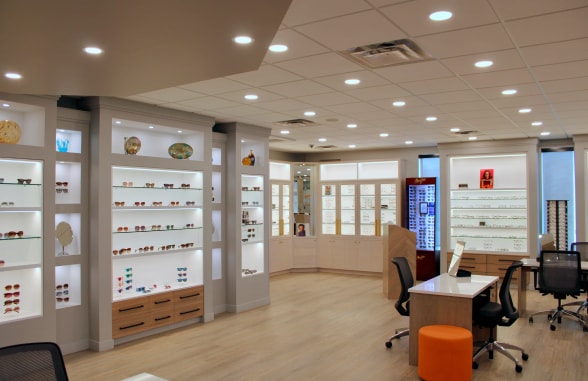
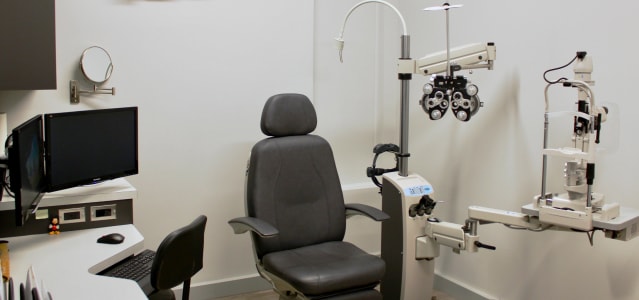
Inside Pinehouse Eyecare



See What Our Patients Are Saying
