

Specialized Vision Care for Individuals with Diabetes
Managing diabetes involves dedicated attention to maintain clear sight over time. This metabolic condition increases your vulnerability to various eye complications, particularly diabetic retinopathy.
Many eye conditions do not develop with noticeable symptoms, meaning by the time you notice changes to your vision, these effects are often permanent. If you live with diabetes, scheduling routine evaluations at least once per year is critical so your optometrist can deliver focused management to support your ongoing visual health.
If it has been more than twelve months since your previous appointment, schedule your next eye exam today.
How Diabetes Influences Ocular Health
Unstable or high blood glucose levels can harm the fine vascular networks throughout your body, especially the fragile blood vessels supplying the retina. As time passes, elevated glucose causes these vessels to dilate, leak fluids, or block circulation, hindering normal blood flow to retinal tissues.
Complications linked to diabetes include:
- Diabetic retinopathy
- Diabetic macular edema
- Cataracts
- Glaucoma
- Age-related macular degeneration (AMD)
Understanding Diabetic Retinopathy and Macular Edema
Diabetic retinopathy remains a primary cause of vision loss among working-age adults. During its initial stages, weakened retinal capillaries develop micro-aneurysms that release small amounts of blood or fluid into surrounding tissue. As the condition advances, abnormal, delicate new blood vessels grow, which easily rupture, bleed into the eye interior, and leave behind fibrous scar tissue.
When these compromised vessels leak fluid directly into the macula, the condition develops into diabetic macular edema. Without consistent tracking and early therapeutic action, macular edema leads to significant visual distortion, haziness, and central sight impairment.
What to Expect During Your Diabetic Vision Evaluation
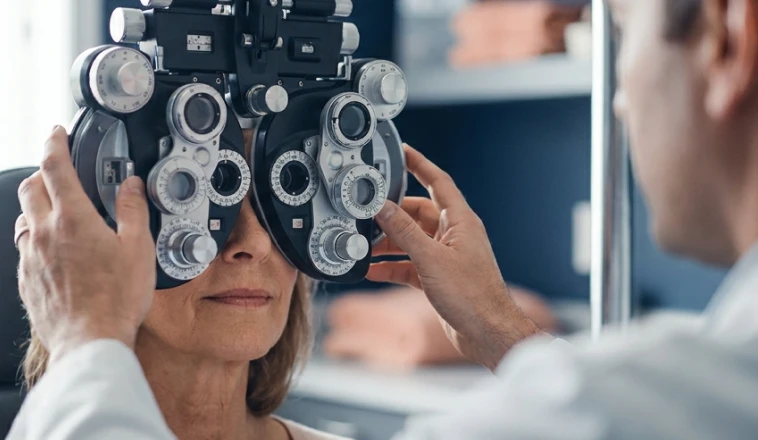
Diabetic eye exams encompass the core elements of a routine comprehensive eye exam, assessing visual sharpness, binocular coordination, and external eye health.
In addition, a diabetic assessment incorporates diagnostic pupil dilation, using temporary drops to widen the pupil so your optometrist gains an unobstructed view of the retina, underlying blood vessels, and optic nerve head. Your appointment will also integrate diagnostic imaging to examine the inside of your eyes.
Routine diabetic eye health evaluations are covered by Saskatchewan Health Services for residents with a confirmed diabetes diagnosis, making these essential annual eye exams widely available.
Our Diagnostic Technology for Diabetic Eye Exams
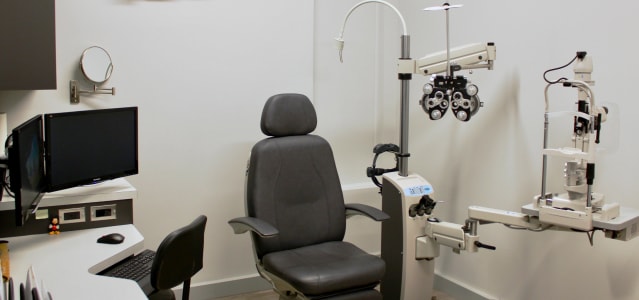
Our diagnostic systems enable our optometrists to evaluate internal eye structures with precision. We use specialized testing instruments to inspect various layers of your eyes and measure functional areas affected by diabetic changes.
Conducting detailed evaluations allows us to spot microscopic structural shifts before noticeable symptoms appear, guiding timely clinical care.
Optomap widefield imaging captures a digital view covering up to 200 degrees of your retina in a fast scan. This technology lets our optometrists examine peripheral retinal regions for early vessel changes without relying on intense illumination. Saved digital records allow for direct side-by-side comparisons from one exam to the next.
Optical Coherence Tomography uses gentle light beams to generate cross-sectional 3D images of your retinal architecture. This noninvasive scanning method measures individual tissue layers down to the micron level. OCT is valuable for identifying minimal fluid retention and swelling associated with diabetic macular edema.
The Frequency Doubling Technology (FDT) Matrix visual field analyzer evaluates peripheral vision to determine how well your eyes detect light signals across your entire visual field. It uncovers subtle areas of vision loss that may point to early optic nerve strain or reduced blood supply. This efficient assessment assists in identifying secondary issues such as glaucoma.
Protecting Your Vision Through Regular Care
Managing diabetes requires monitoring your visual health with the same diligence applied to blood glucose levels. Because many diabetic eye diseases progress silently without initial discomfort or vision changes, continuous clinical monitoring offers a strong defence against permanent visual loss.
We advise every patient living with diabetes to schedule a comprehensive eye exam at least once a year. Book your diabetic eye exam at Pinehouse Eyecare today to preserve your eye health.
Frequently Asked Questions About Diabetic Eye Exams
Individuals with diabetes should schedule a comprehensive diabetic eye exam at least once every year to monitor retinal blood vessel health. If you notice sudden visual changes or new symptoms, you should book an appointment with Pinehouse Eyecare even sooner.
Elevated blood sugar levels can weaken or damage the delicate blood vessels in your retina over time, causing them to leak fluid or close off entirely. This impairment to internal circulation can alter your eye structures long before you notice any loss of clarity.
In their initial stages, diabetic eye conditions rarely present noticeable warning signs, but advancing disease can cause blurry vision, dark spots, floaters, or fluctuating focus. If you experience any of these symptoms, book a comprehensive eye exam with our team right away.
Diabetes increases your risk of developing diabetic retinopathy, diabetic macular edema, early-onset cataracts, and glaucoma. Scheduling annual exams allows your optometrist to track structural changes early and help protect your long-term vision.
Yes, Saskatchewan Health Services covers the cost of annual eye health assessments for residents diagnosed with diabetes. Call our clinic to schedule your annual eye exam or to address any recent concerns about your vision.
Because serious diabetic vision complications can progress silently without pain, delaying exams increases your risk of unnoticed retinal damage. We encourage you to book a comprehensive eye exam with Pinehouse Eyecare today to keep your eye health on track.

Visit Our Location
We’re located on the corner of Pinehouse Drive and Primrose Drive. Find us just across the street from Umea Vast Park. Free parking is available in front of the clinic.
Our Address
Contact Information
- Phone: 306-242-4186
- Fax: 306-242-5586
- Email: pecadmin@yxevision.ca
After Hours Emergencies: 306-371-9911
Hours of Operation
Take a Glance
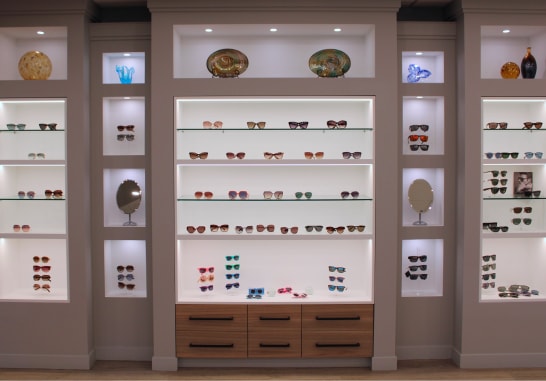
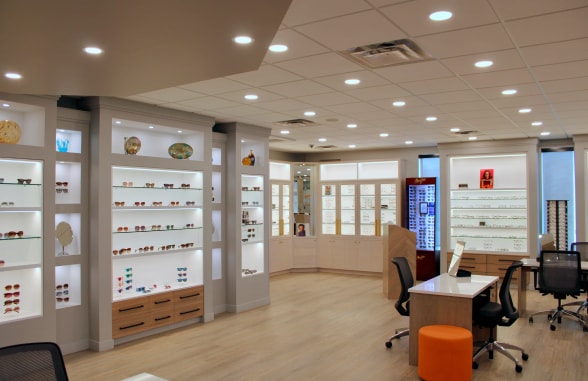
Inside Pinehouse Eyecare


See What Our Patients Are Saying
